

Hear from Our Customers
You’re not imagining it. That musty smell in the basement, the allergies that won’t quit when you’re home, the discolored patch behind the water heater—something’s off. But guessing doesn’t help, and DIY test kits from the hardware store won’t tell you what species you’re dealing with or how bad the contamination really is.
Professional mold testing gives you lab-backed answers. You’ll know if it’s surface mold or black mold. You’ll know if it’s isolated or spreading through your HVAC system. You’ll know if your kids’ respiratory symptoms are connected to what’s growing in the crawlspace.
That clarity matters when you’re deciding whether to call a remediation company, file an insurance claim, or walk away from a real estate deal. Testing takes the guesswork out of it. You get documentation, spore counts, and a clear picture of what’s happening inside your walls—so you can make the right call for your home and your family.
We’ve been serving Point Pleasant and Bucks County homeowners who need straight answers about mold. We’re not a national franchise that shows up, runs a quick test, and disappears. We’re local, and we understand what causes mold problems in this area—leaky basements from heavy spring rains, humidity that settles in during summer, older homes with aging infrastructure.
We’ve done over 2,000 standalone mold inspections. We use EPA-approved methods and send samples to independent labs for analysis. Our team knows how to find hidden contamination in attics, behind drywall, and inside HVAC systems where homeowners never think to look.
When you call us, you’re working with certified inspectors who will walk you through the process, explain what we find, and give you options—not a sales pitch. We’re here to help you understand what’s happening in your home so you can decide what to do next.
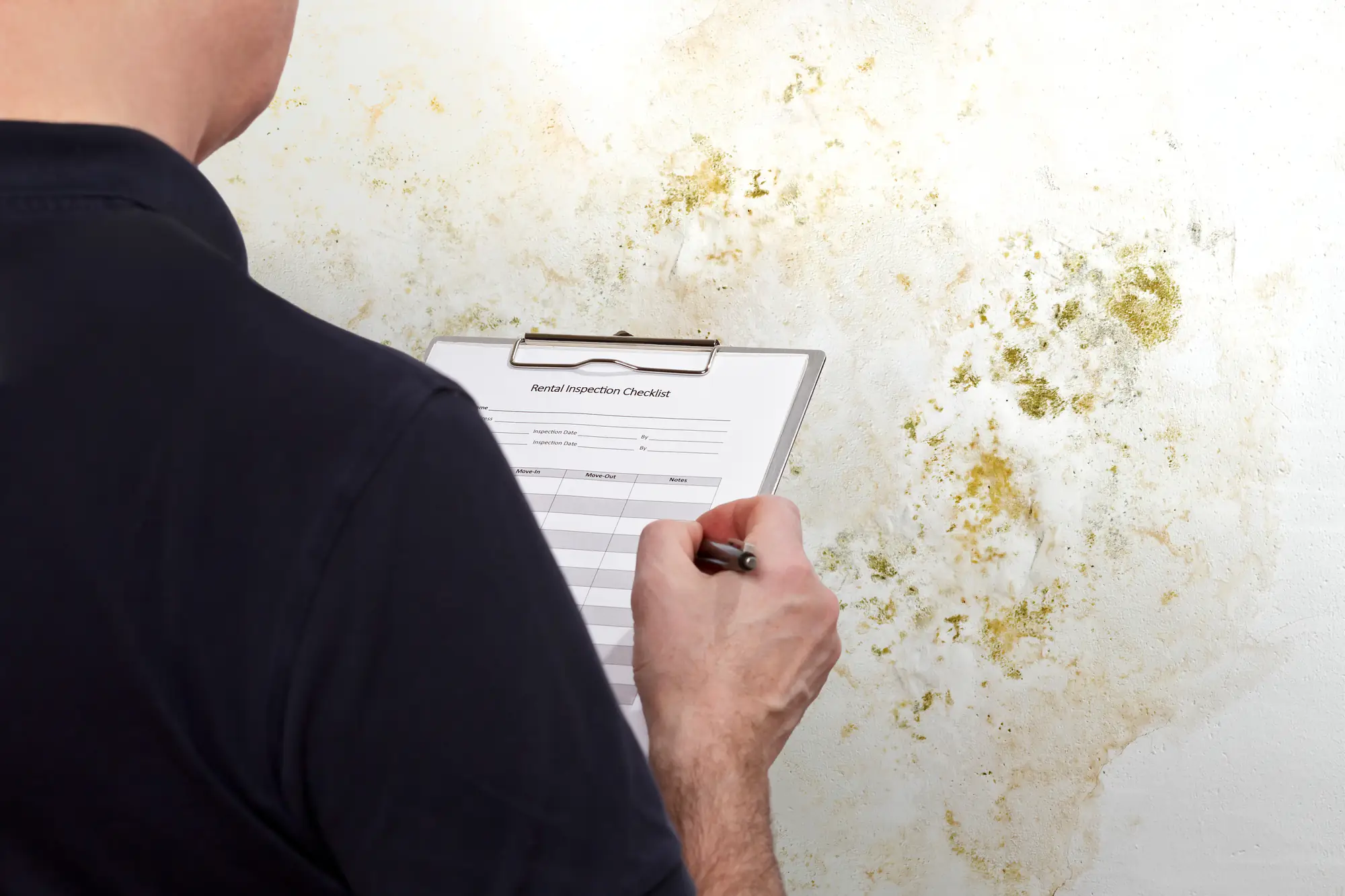
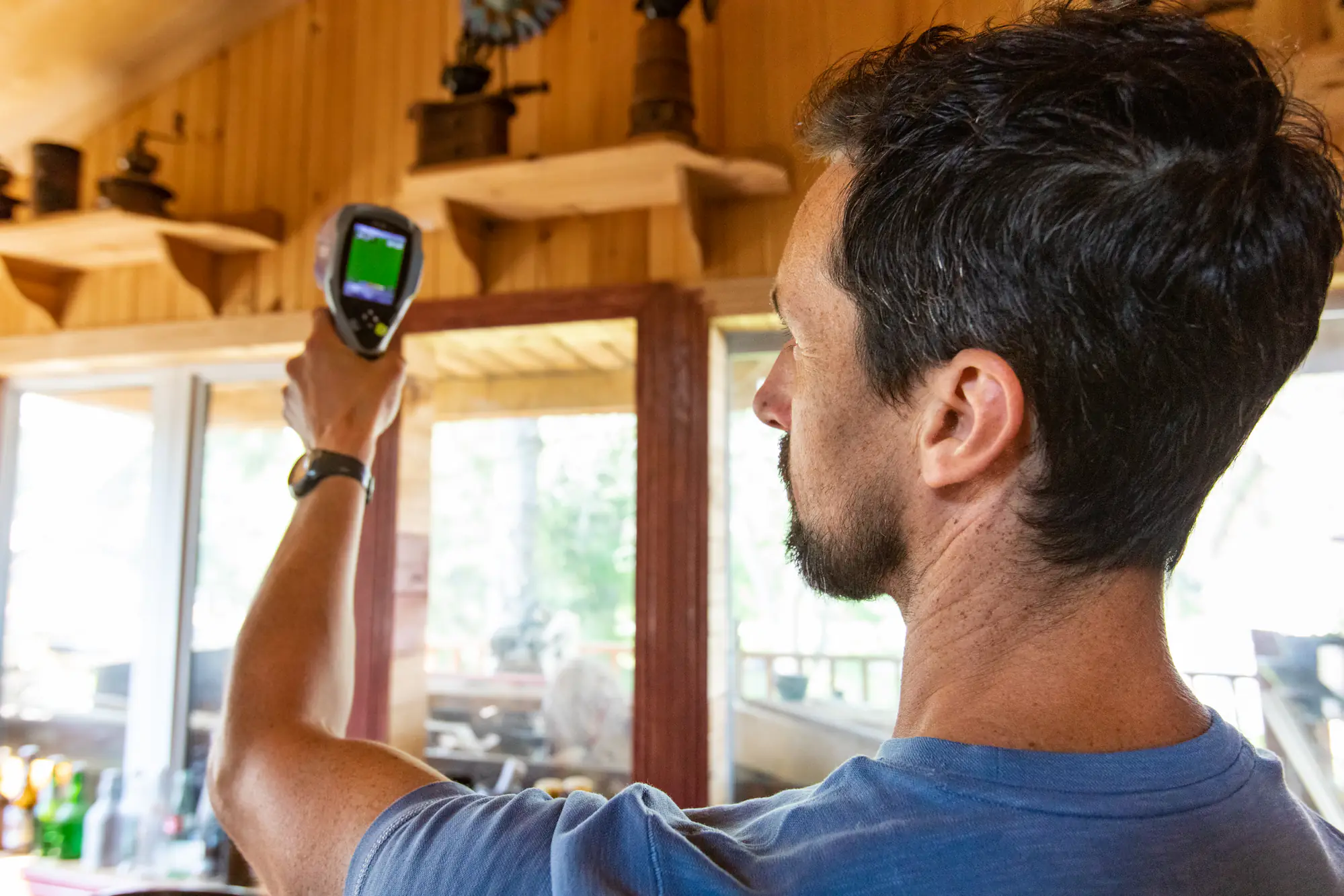
First, we come to your home and do a visual inspection. We’re looking for water damage, discoloration, visible mold growth, and moisture issues. We check basements, attics, bathrooms, kitchens, crawlspaces—anywhere mold is likely to grow. We also ask about your concerns: strange smells, health symptoms, recent water damage, anything that brought you to this point.
Next, we take samples. Depending on what we find, that might mean air samples to measure spore levels, surface samples from visible growth, or bulk samples from materials like drywall or insulation. We use professional equipment, not the cheap swab kits you’d buy online. These samples go to an independent lab for analysis.
Within a few days, you get a detailed report. It tells you what species of mold we found, the concentration levels, and where the contamination is located. We’ll walk you through the results and explain what they mean in plain terms. If remediation is needed, we’ll outline your options. If it’s minor and you can handle it yourself, we’ll tell you that too. You’ll have the facts, and you can move forward with confidence.
Ready to get started?
You get a thorough inspection of your entire property, not just the obvious problem areas. We check hidden spaces where mold grows undetected—behind appliances, inside wall cavities, under flooring, in HVAC ducts. Point Pleasant’s coastal climate and Bucks County’s humid summers create perfect conditions for mold, especially in older homes built in the 1970s. We know where to look.
You also get accurate sampling and lab analysis. We use EPA-certified methods and send samples to independent laboratories that specialize in mold identification. You’ll receive a report that breaks down the species, spore counts, and contamination levels. That documentation matters if you’re filing an insurance claim, negotiating a real estate deal, or just trying to figure out if your family’s health symptoms are related to indoor air quality.
And you get honest answers. We’re not here to upsell you on remediation services you don’t need. If the mold is minor and you can clean it yourself, we’ll tell you. If it’s black mold that requires professional removal, we’ll explain why. Our job is to give you the information you need to make the right decision for your home and your budget.
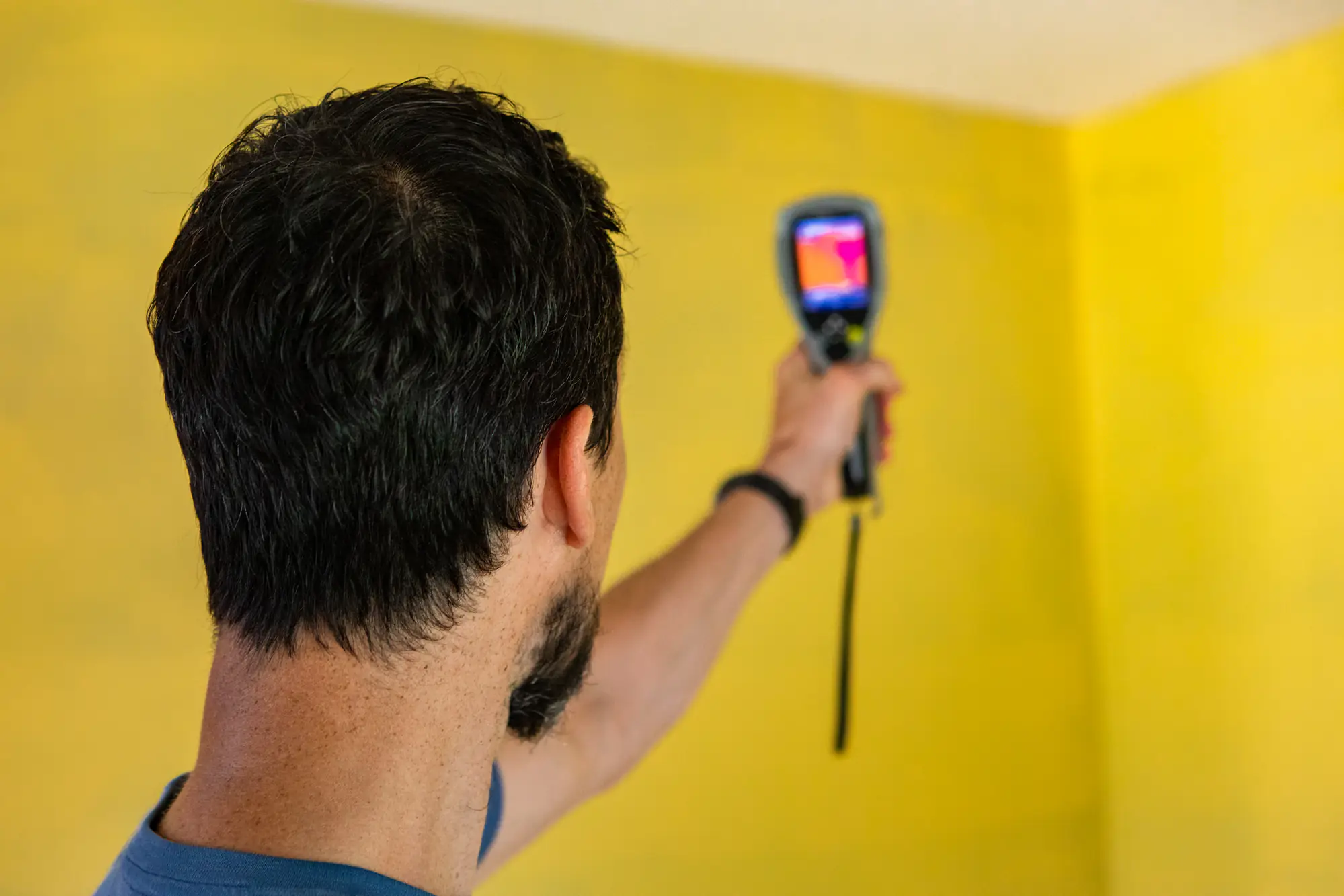
Most professional mold testing in Point Pleasant runs between $300 and $600, depending on the size of your home and how many samples we need to take. A basic inspection with a few air or surface samples will be on the lower end. If you’ve got a larger property or we need to test multiple areas—like the basement, attic, and HVAC system—it’ll cost more.
That price includes the on-site inspection, sample collection, lab analysis, and a detailed report. Some companies offer free inspections, but those are usually tied to remediation services. If you just want testing without the pressure to hire for removal, expect to pay for the inspection itself.
Keep in mind that some homeowners insurance policies cover mold testing if the contamination is caused by a covered event like a burst pipe or roof leak. It’s worth checking with your insurance company before you schedule. Even if they don’t cover it, the cost of testing is a lot less than the cost of ignoring a mold problem that spreads and causes structural damage or health issues down the line.
DIY mold test kits from the hardware store will tell you if mold is present, but they won’t tell you what kind, how much, or where it’s coming from. Most of those kits just confirm that mold spores exist—which they do in every home. That’s not useful information when you’re trying to figure out if you have a problem that needs remediation.
Professional mold testing identifies the species. That matters because not all mold is dangerous, but some types—like black mold—can cause serious health problems. We also measure spore concentration levels to determine if contamination exceeds safe thresholds. And we inspect hidden areas where DIY kits can’t reach: inside walls, under flooring, in HVAC ducts, behind appliances.
You also get documentation that holds up with insurance companies, real estate transactions, and legal disputes. A DIY kit won’t give you that. If you’re dealing with health symptoms, planning to file a claim, or buying a home in Point Pleasant with a musty basement, professional testing is the only way to get reliable answers. DIY kits might save you a few bucks upfront, but they leave you guessing about the scope of the problem.
The inspection itself usually takes one to two hours, depending on the size of your home and how many areas we need to check. We’ll walk through your property, take samples, and answer any questions you have on the spot.
Lab results typically come back within three to five business days. The samples go to an independent laboratory that specializes in mold analysis, and they need time to culture the samples and identify the species. Once we get the results, we’ll send you a detailed report and schedule a call to walk you through what we found.
If you’re dealing with an urgent situation—like a real estate closing deadline or severe health symptoms—let us know upfront. Some labs offer expedited analysis for an additional fee, and we can usually get results back within 24 to 48 hours. But in most cases, waiting a few days for accurate results is better than rushing and missing something important. You want the full picture, not a quick guess.
Mold testing can tell you if there’s mold in your home, what species it is, and how much contamination is present. It can’t diagnose your health symptoms—that’s a conversation for your doctor. But if you’re dealing with respiratory issues, persistent allergies, sinus problems, or unexplained fatigue that gets better when you leave the house, mold could be a factor.
Certain mold species, especially black mold, release mycotoxins that cause allergic reactions and respiratory problems. If our testing finds elevated spore levels or toxic species in your home, that gives your doctor useful information. It also gives you a clear reason to move forward with remediation.
A lot of Point Pleasant homeowners come to us because they’ve been dealing with symptoms for months and can’t figure out the cause. Testing gives them answers. Even if mold isn’t the only issue, ruling it out—or confirming it—helps you take the next step. And if we do find contamination, getting it removed often leads to noticeable improvements in how people feel at home. You deserve to know if your indoor air quality is making you sick.
If you can see mold, you know you have a problem. But testing still helps you understand how bad it is and whether there’s more growing in places you can’t see. Visible mold is often just part of the issue. Mold spreads through spores, and those spores travel through your HVAC system, settle in insulation, and grow behind walls where you’d never notice until the damage is severe.
Testing identifies the species, which tells you how aggressive the mold is and whether it poses health risks. It also measures airborne spore levels throughout your home. You might have a small patch of mold in the bathroom, but if spore counts are high in the bedroom, that means contamination has spread. You need to know that before you start remediation.
Testing also gives you documentation for insurance claims. If you’re filing a claim for water damage or mold remediation, your insurance company will likely require professional testing and a detailed report. Without it, you’re stuck paying out of pocket. Even if you’re not filing a claim, testing helps you make informed decisions about how to handle the problem—and whether you need professional removal or if it’s something you can manage yourself.
Mold needs moisture, and Point Pleasant homes deal with plenty of it. The coastal climate brings humidity, especially during summer when air conditioning creates condensation inside ducts and around vents. Basements are a common problem area—water seeps in through foundation cracks, sump pumps fail, and poor drainage around the property leads to chronic dampness.
Older homes in Bucks County, especially those built in the 1970s, often have aging roofs, outdated plumbing, and insufficient ventilation. A slow roof leak or a pinhole pipe leak behind a wall can go unnoticed for months while mold spreads. Bathrooms and kitchens without proper exhaust fans trap moisture, and that moisture settles into drywall, grout, and insulation.
Pennsylvania’s seen a 5 to 10 percent increase in precipitation over the past few decades, which means more water intrusion events and more opportunities for mold to take hold. If you’ve had any kind of water damage—burst pipes, flooding, roof leaks, appliance malfunctions—mold can start growing within 24 to 48 hours. The key is catching it early, addressing the moisture source, and testing to make sure the problem hasn’t spread beyond what you can see.
Other Services we provide in Point Pleasant